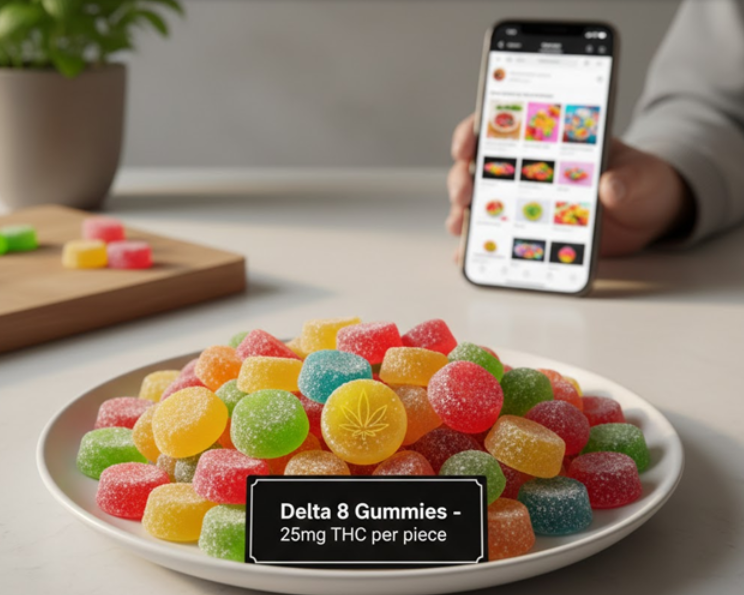
In the evolving landscape of cannabis and hemp-derived products, Delta 8 THC gummies have carved out a significant niche by 2026, offering consumers a distinct and often milder alternative to traditional Delta-9 THC. These popular edibles provide a unique experience, characterized by a less intense psychoactive effect, making them appealing to those seeking relaxation, subtle euphoria, and potential therapeutic benefits without the stronger impact sometimes associated with Delta-9. Understanding the science, legal complexities, and safe consumption of Delta 8 gummies is crucial for anyone exploring this cannabinoid.
What Are Delta 8 Gummies?
Delta 8 gummies are edible candies infused with Delta-8 Tetrahydrocannabinol (Delta-8 THC), a naturally occurring cannabinoid found in the cannabis plant. While structurally similar to Delta-9 THC, Delta-8 THC has a slightly different chemical arrangement that results in a noticeably different user experience. Often described as “weed light” or “diet weed,” Delta-8 THC typically provides:
- Milder Psychoactive Effects: Users commonly report a less anxious, more clear-headed high compared to Delta-9 THC.
- Relaxation and Calm: Many find Delta-8 to be more relaxing and less stimulating, making it suitable for evening use.
- Potential Therapeutic Benefits: Anecdotal evidence suggests Delta-8 may offer benefits similar to Delta-9, such as pain relief, nausea reduction, and appetite stimulation, but with fewer adverse side effects like paranoia.
The Legal Landscape of Delta 8 Gummies in 2026
The legal status of Delta 8 gummies is a complex and often debated topic in 2026, primarily stemming from the 2018 Farm Bill in the United States. This bill federally legalized hemp and all its derivatives, provided they contain less than 0.3% Delta-9 THC on a dry weight basis. Since Delta-8 THC is typically derived from CBD (which comes from hemp), it often falls into a legal gray area or is explicitly legal in many US states, even where recreational Delta-9 THC remains prohibited.
However, some states have moved to ban or restrict Delta-8 products, viewing them as intoxicating cannabis derivatives. Internationally, the situation varies, with many countries classifying any form of THC as controlled. Consumers should always research and adhere to local and national laws regarding Delta-8 THC before purchasing Delta 8 gummies.
How Delta 8 Works: The Endocannabinoid System Connection
Like other cannabinoids, Delta-8 THC interacts with the body’s endocannabinoid system (ECS), a complex network of receptors that helps regulate various physiological processes, including mood, pain sensation, appetite, and memory. Delta-8 primarily binds to the CB1 receptors in the brain, though its affinity is lower than Delta-9, which contributes to its milder psychoactive profile.
When consumed as Delta 8 gummies, the cannabinoid is metabolized by the liver, similar to Delta-9 edibles. This process converts Delta-8 THC into 11-hydroxy-Delta-8-THC, which is also psychoactive but still typically less intense than its Delta-9 counterpart. This metabolic pathway means:
- Delayed Onset: Effects generally take 45 minutes to 2 hours to manifest.
- Extended Duration: The effects can last 4-6 hours, with lingering sensations.
Dosing Delta 8 Gummies: A Cautious Approach
While Delta-8 THC is milder, proper dosing is still paramount. The “start low, go slow” principle is especially relevant when consuming Delta 8 gummies, as individual responses can vary significantly.
- Beginner Dose (5-10mg Delta-8 THC): An excellent starting point for new users to assess their tolerance and experience the subtle effects.
- Moderate Dose (10-25mg Delta-8 THC): Suitable for those familiar with Delta-8, seeking more pronounced relaxation or therapeutic benefits.
- Higher Doses (25mg+ Delta-8 THC): Reserved for experienced users. It’s crucial to understand that even at higher doses, Delta-8’s effects are typically less overwhelming than equivalent Delta-9 doses.
Always wait at least 2 hours after your initial dose before considering consuming more. Overconsumption, even of Delta-8, can still lead to uncomfortable feelings, although usually less severe than with Delta-9.
Ensuring Quality and Safety When Buying Delta 8 Gummies
The unregulated nature of some Delta-8 markets necessitates due diligence from consumers. When purchasing Delta 8 gummies, prioritize safety and quality:
- Third-Party Lab Testing (COAs): This is non-negotiable. Reputable brands provide Certificates of Analysis (COAs) from independent, ISO-accredited labs. The COA should confirm:
- Delta-8 Potency: Accurate dosage per gummy.
- Delta-9 Content: Ensuring it’s below the legal limit (e.g., <0.3% in the US).
- Purity Screenings: Verifying the absence of heavy metals, pesticides, residual solvents, and other contaminants. The stringent standards for these tests are comparable to those for a research grade peptide, ensuring product integrity.
- Clear Labeling: Products should have clear labels detailing Delta-8 content, ingredients, allergens, and clear warnings.
- Reputable Manufacturer: Choose brands with positive reviews, transparent practices, and a commitment to consumer safety.
Conclusion
Delta 8 gummies have emerged as a significant player in the cannabis market by 2026, offering a unique and often preferred option for consumers seeking a milder, more nuanced THC experience. With their distinct effects, potential therapeutic benefits, and the convenience of edibles, Delta 8 gummies cater to a broad audience. By staying informed about the legal landscape, practicing responsible dosing, and prioritizing third-party lab-tested products, consumers can safely and effectively explore the subtle yet satisfying world of Delta-8 THC.